New Friends. New Perils.

The Adventure of Penguin and Friends wordless book series is coming September 30! Two new voyages to add to the chronicles of Penguin’s adventures! Penguin meets new friends as well as a host of new perils!

I am thrilled about this series! Shop the whole bundle or individual books: PENGUIN SETS SAIL, PENGUIN TO THE RESCUE, and PENGUIN TAKES FLIGHT.

Book synopses:
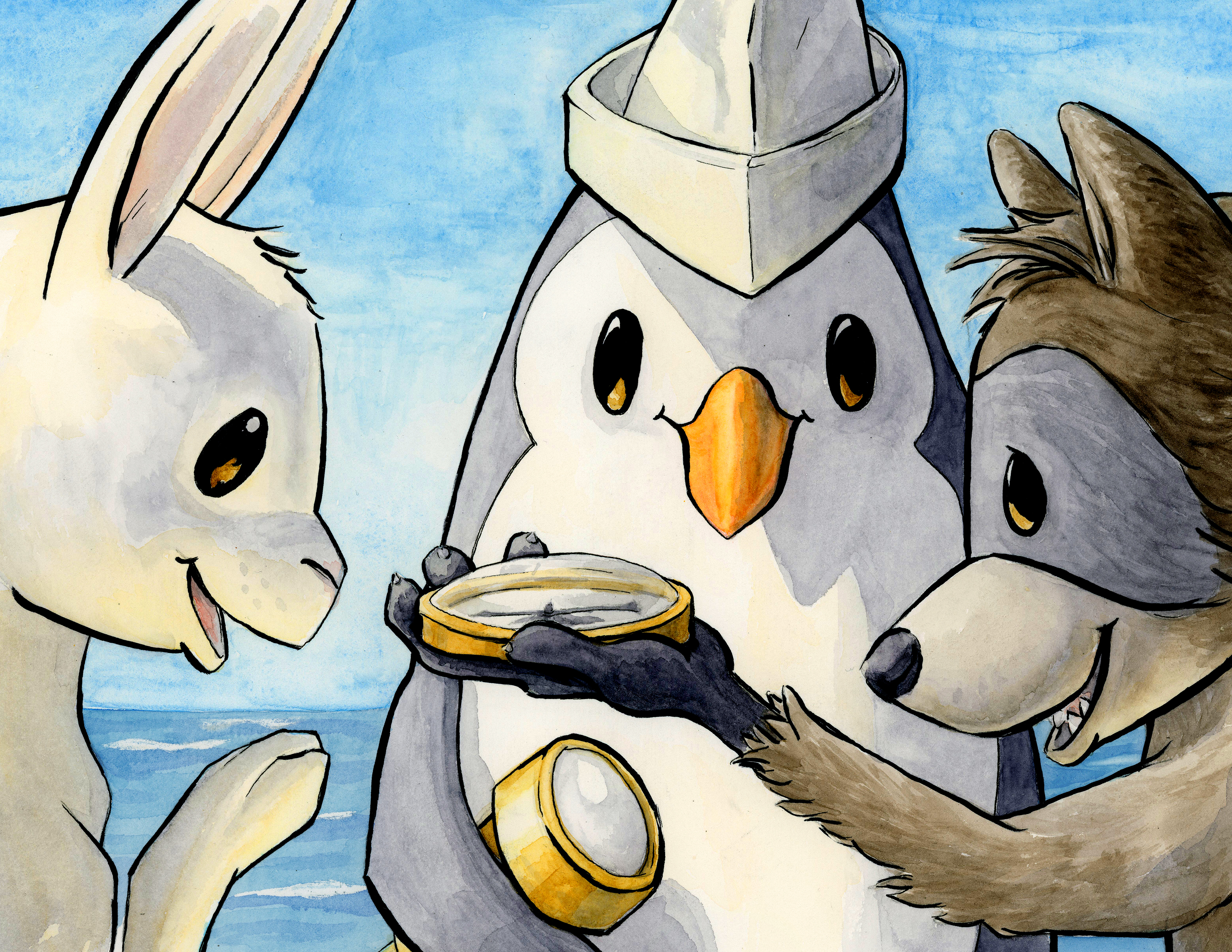
PENGUIN SETS SAIL—Penguin dreams of being a sea captain, but the other penguins only think about fish. So Penguin sets sail alone in search of friends and treasure galore. However, the ocean is big and dangerous, and Penguin may find himself wishing for home even in the middle of his great adventure.

PENGUIN TO THE RESCUE—Penguin, Rabbit, and Raccoon are exploring South America when their adventure takes an unexpected turn: a baby capybara washes up next to the Amazon River, all alone. To find his family, Penguin and friends must voyage through the alligator-infested jungle—and little Cappy must find the courage to show them the way.
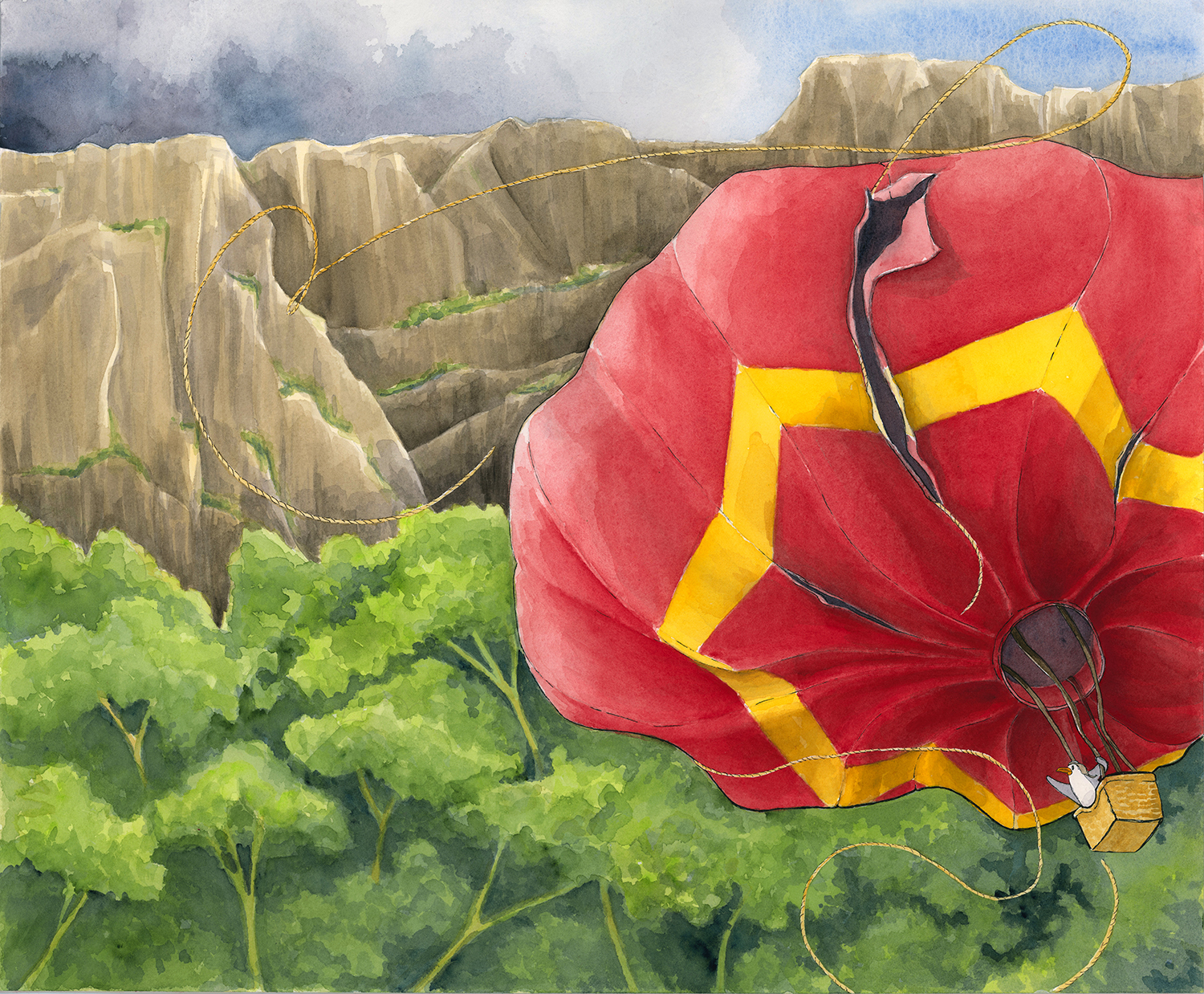
PENGUIN TAKES FLIGHT—Penguin has decided to go on his most enormous adventure yet: visiting the wonders of the world in a hot air balloon. But this time, Rabbit and Raccoon are too busy to come with him—and after a furious storm, Penguin begins to wonder how he’ll be able to make it back alone.

Stormy Emotional Story Arc

Have you ever seen a duck swimming smoothly on a pond? It glides along gracefully, but beneath the water, its feet are paddling like mad.

Visually simple to the eye, complex below the surface.

A manuscript can be that way too. If the narrative consists of two people having a conversation, it may appear to be a simple story on the face of things. But when the emotional arc is elaborate, involved, and integral to the plot, illustrations need to demonstrate that complexity.

In my current project, the emotional arc is essential to the storyline. I’m depicting ups and downs with the color script—different colors representing varying moods, but also with the weather. As the main character becomes increasingly disappointed and dejected, the storm clouds literally roll in. My hope is the combination of these visual cues will communicate the complicated emotional quality of this picture book.

Check out this time-lapse video of storm clouds forming that will appear in the #NotFinishedYetBook written by Sharon Brown, coming out in 2024 from IVPKids.

1-2-3. A post about process.

Here’s another peek into my book illustration process.

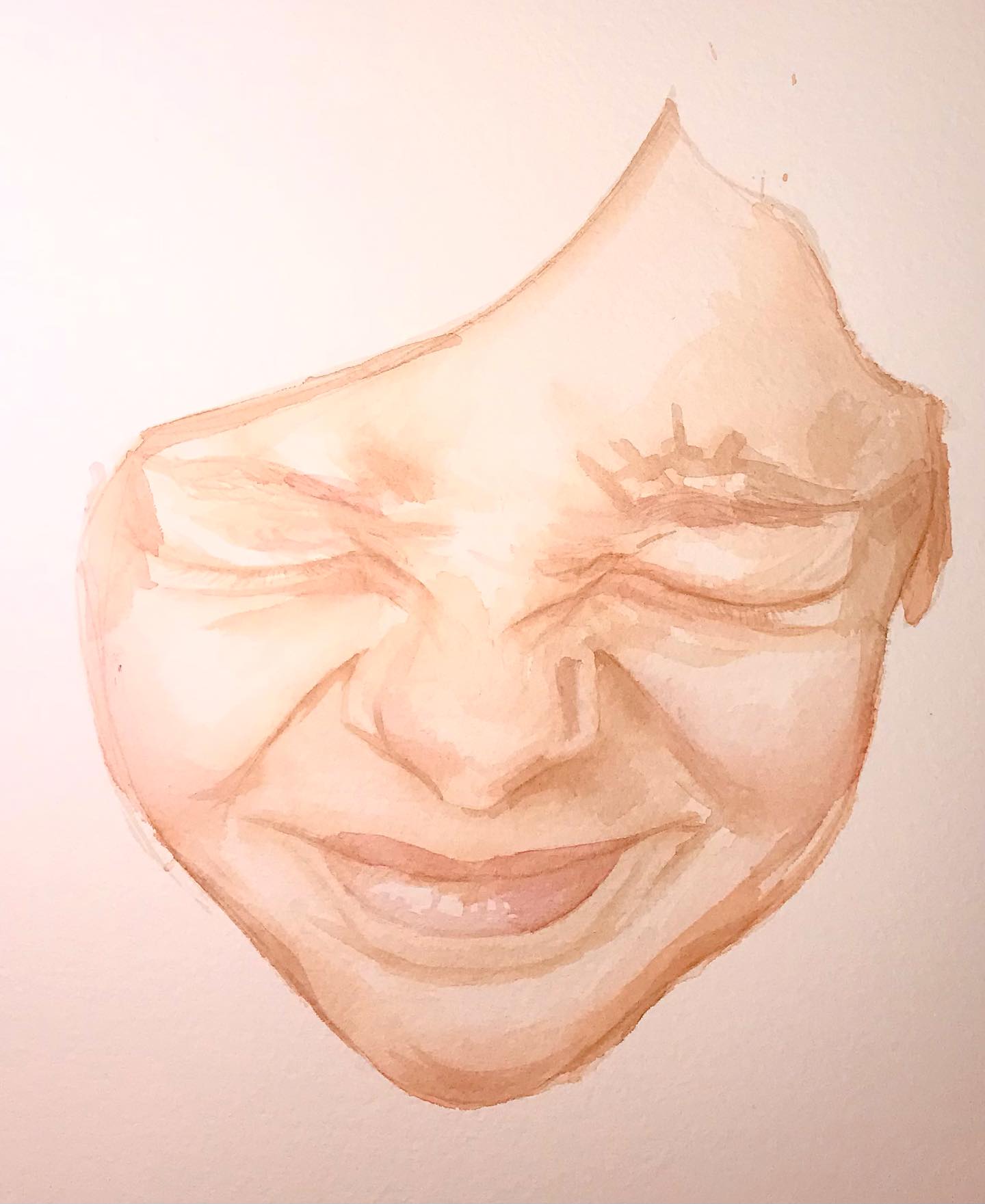
Here’s a very rough sketch from my first pass at the manuscript. This was for the art director’s eyes only. This way I could make sure I’m on the right track early without investing too much time into each drawing. If I have to completely pitch this sketch and start over, it’s not a problem. But it was approved so I moved forward.

After the art director gave the nod of approval, I created a more refined sketch. I still didn’t develop it too much, but it’s more readable. It still won’t be too painful if I need to change it. I did a photo shoot with a model for the main character before completing the second-level sketches. This way I could make the character look more consistent for the review team. This sketch went to the whole team including marketing, the editor, and the author.

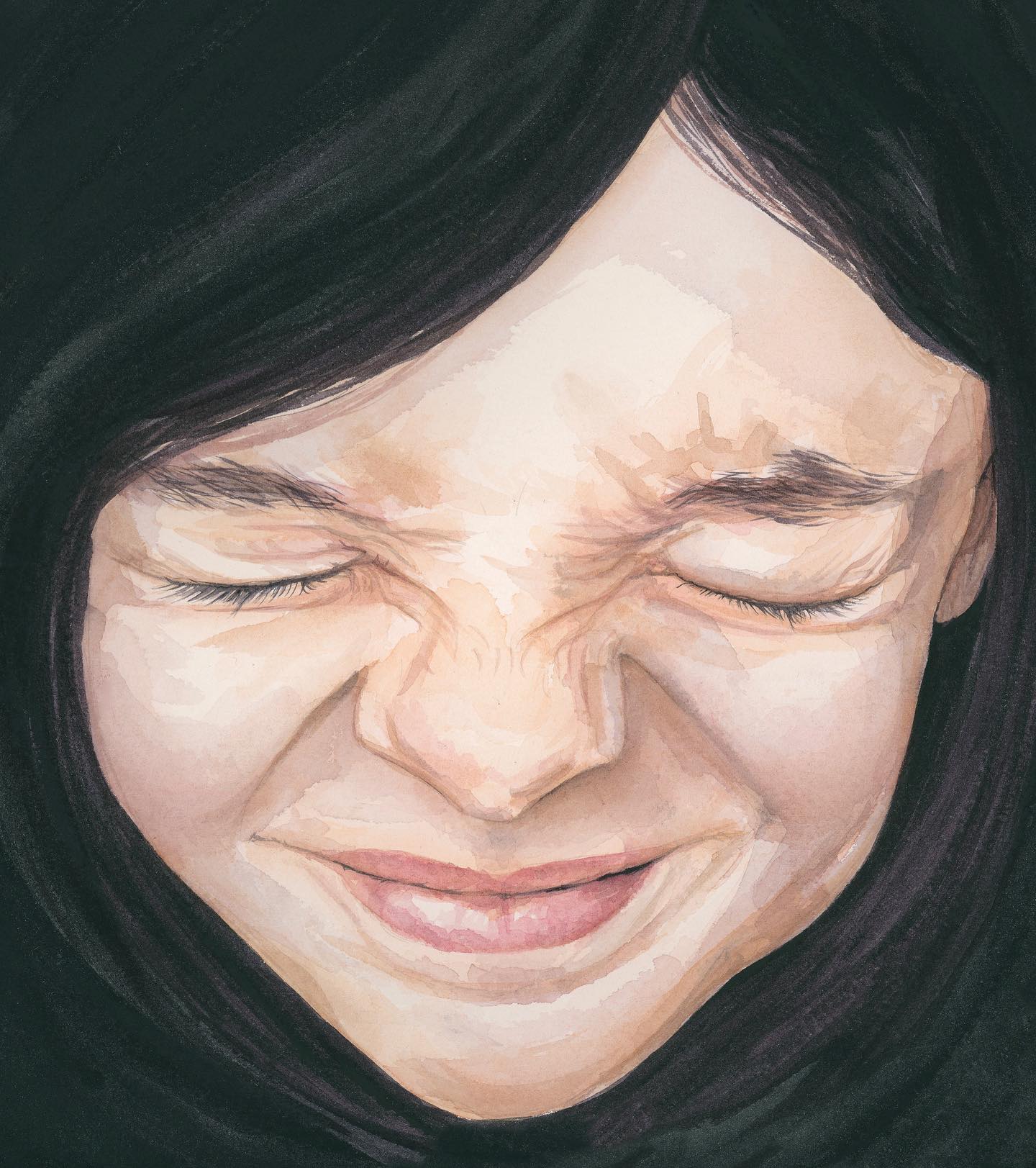
Here is the fully developed watercolor illustration. This book hasn’t gone to print as of the writing of this post, so it may still have slight changes to it. But it will likely appear in the book very much like this.

#NotFinishedYetBook by Sharon Brown is coming out from IVPKids in 2024.

Déjà vu and Deadlines

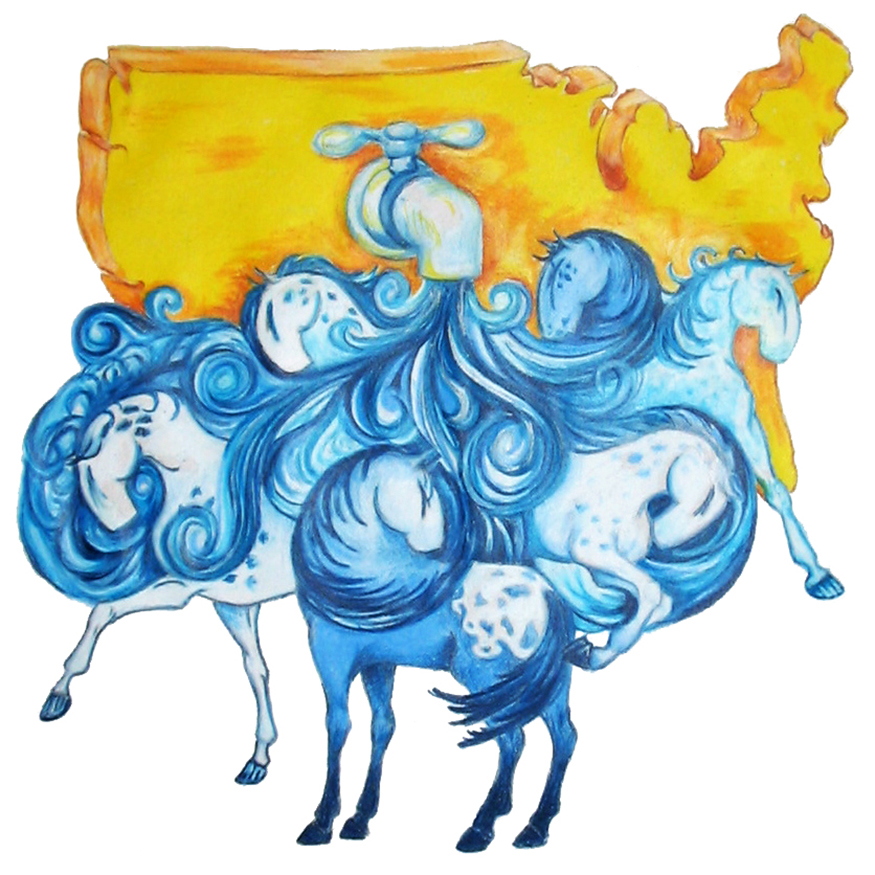
As I was finishing a color/texture background for the book I’m currently illustrating, I suddenly had a sense of déjà vu. I’ve seen this before. Somewhere. I’ve MADE this before! My family saw it too. We all recognized its similarity to a fun little illustration I rendered over 20 years ago for the Appaloosa Journal (the publication of the ApHC, an international registry for the Appaloosa horse).

Once upon a time, I was a graphic designer at the Appaloosa Journal and eventually became the art and production director there before moving on. But working at the Journal was an amazing experience! It was both rewarding and extremely taxing. Each publication required two weeks of intense planning, designing, proofing, and meeting deadlines.

There was a lot of overtime at the Journal. The first issue I worked on as the art director (a salary job, so I no longer got paid overtime) was the issue that would come out for the ApHC World Show in Fort Worth. My longest shift was going to work Friday morning at 8am and working straight through—with two one-hour naps on the breakroom couch—until Monday afternoon (I’m not great at maths, but I think that’s about 80 hours in four days). But the deadline was met! Let me tell you, the life skill of meeting deadlines serves well.

So here is the illustration for a feature article about Appaloosa horse exports that started this jaunt down memory lane. There’s a lot behind it. Not the least of which is the memories of grueling but rewarding work.